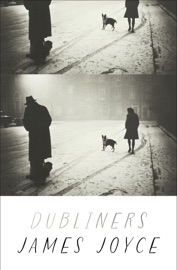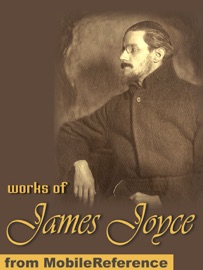
A Portrait of the Artist as a Young Man is Joyceâs first novel, published after the previous success of his short story collection Dubliners. The novel is written in a modernist style, with dialog and narration blending together in a kind of stream-of-consciousness meant to invoke the blurriness of memory.
Joyce originally planned writing a realist autobiographical novel of 63 chapters titled Stephen Hero. He abandoned the attempt halfway through, and refocused his efforts on Portrait, a shorter, sharper work in the modernist style. His alter-ego remained Stephen Dedalus, named after Daedalus, the mythological Greek craftsman and father of Icarus. Portrait was written while he was waiting for Dubliners to be published, a process that took eight years and so frustrated Joyce that he once threw the manuscript of Portrait into a fire, causing his family to run to save it.
The novel closely traces Joyceâs early years. Like his alter-ego Stephen, Joyce was born into a middle-class family and lived in Dublin as they descended into poverty; he rebelled against his Irish Catholic upbringing to become a star student at Dublin University, and put aside thoughts of priesthood or medicine, the other careers offered him, to become a writer. Joyce doesnât shy away from sensitive topics, presenting the discoveries of youth in all of their physical detail, including Stephenâs teenage visits to prostitutes (which also mirror Joyceâs youth, and were how he probably contracted the suspected syphilis that plagued his vision and tortured his health for the rest of his life), and the homosexual explorations of children at a Jesuit school.
The writing is in the free indirect style, allowing the narrator to both focus on Stephen and present characters and events through his eyes, until the last chapter, where Stephenâs first-person diary entries suggest heâs finally found his voice. As the novel progresses, the syntax and vocabulary also grow in complexity, reflecting Stephenâs own development.
Of Joyceâs three novels, Portrait is the most straightforward and accessible. But it remains just as rich and complex as any masterpiece, with critics across generations hailing it as work of unique beauty and perception.
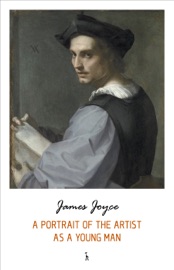
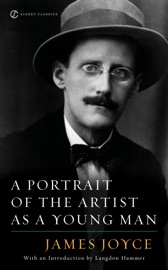
A Portrait of the Artist as a Young Man - James Joyce
A Portrait of the Artist as a Young Man is Joyceâs first novel, published after the previous success of his short story collection Dubliners. The novel is written in a modernist style, with dialog and narration blending together in a kind of stream-of-consciousness meant to invoke the blurriness of memory.
Joyce originally planned writing a realist autobiographical novel of 63 chapters titled Stephen Hero. He abandoned the attempt halfway through, and refocused his efforts on Portrait, a shorter, sharper work in the modernist style. His alter-ego remained Stephen Dedalus, named after Daedalus, the mythological Greek craftsman and father of Icarus. Portrait was written while he was waiting for Dubliners to be published, a process that took eight years and so frustrated Joyce that he once threw the manuscript of Portrait into a fire, causing his family to run to save it.
The novel closely traces Joyceâs early years. Like his alter-ego Stephen, Joyce was born into a middle-class family and lived in Dublin as they descended into poverty; he rebelled against his Irish Catholic upbringing to become a star student at Dublin University, and put aside thoughts of priesthood or medicine, the other careers offered him, to become a writer. Joyce doesnât shy away from sensitive topics, presenting the discoveries of youth in all of their physical detail, including Stephenâs teenage visits to prostitutes (which also mirror Joyceâs youth, and were how he probably contracted the suspected syphilis that plagued his vision and tortured his health for the rest of his life), and the homosexual explorations of children at a Jesuit school.
The writing is in the free indirect style, allowing the narrator to both focus on Stephen and present characters and events through his eyes, until the last chapter, where Stephenâs first-person diary entries suggest heâs finally found his voice. As the novel progresses, the syntax and vocabulary also grow in complexity, reflecting Stephenâs own development.
Of Joyceâs three novels, Portrait is the most straightforward and accessible. But it remains just as rich and complex as any masterpiece, with critics across generations hailing it as work of unique beauty and perception.