Robert A. Heinleinās Let There Be Light is a visionary science fiction short story that explores the power of innovation, corporate greed, and the potential of renewable energy. Originally published in 1940, this tale reflects Heinleinās keen interest in scientific progress and the social dynamics surrounding technological breakthroughs.
The story follows two brilliant scientists, Archibald Douglas and Martin Craig, who develop a revolutionary new power sourceāan ultra-efficient form of solar energy that could provide limitless, free electricity. However, their discovery quickly attracts the attention of powerful corporate interests that seek to suppress or control the technology for their own financial gain. As the two inventors struggle against industrial monopolies and political pressures, Heinlein crafts a sharp critique of capitalismās resistance to disruptive advancements that threaten established power structures.
With its blend of scientific speculation, ethical dilemmas, and Heinleinās signature wit, Let There Be Light remains a compelling and relevant story. It highlights the eternal conflict between progress and profit, the responsibilities of those who create groundbreaking technologies, and the role of individuals in shaping the future.
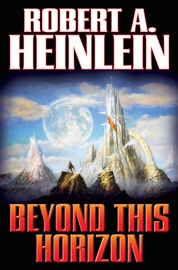
This classic tale not only showcases Heinleinās early mastery of science fiction but also serves as a thought-provoking exploration of the challenges innovators face when pushing the boundaries of what is possible.
Let There Be Light. Illustrated - Robert A. Heinlein
Robert A. Heinleinās Let There Be Light is a visionary science fiction short story that explores the power of innovation, corporate greed, and the potential of renewable energy. Originally published in 1940, this tale reflects Heinleinās keen interest in scientific progress and the social dynamics surrounding technological breakthroughs.
The story follows two brilliant scientists, Archibald Douglas and Martin Craig, who develop a revolutionary new power sourceāan ultra-efficient form of solar energy that could provide limitless, free electricity. However, their discovery quickly attracts the attention of powerful corporate interests that seek to suppress or control the technology for their own financial gain. As the two inventors struggle against industrial monopolies and political pressures, Heinlein crafts a sharp critique of capitalismās resistance to disruptive advancements that threaten established power structures.
With its blend of scientific speculation, ethical dilemmas, and Heinleinās signature wit, Let There Be Light remains a compelling and relevant story. It highlights the eternal conflict between progress and profit, the responsibilities of those who create groundbreaking technologies, and the role of individuals in shaping the future.
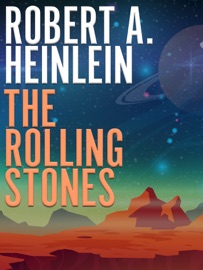
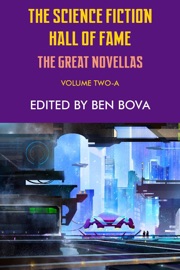
This classic tale not only showcases Heinleinās early mastery of science fiction but also serves as a thought-provoking exploration of the challenges innovators face when pushing the boundaries of what is possible.